
QUESTION: How do you want 2022 to start in order for it to end the way you want it to end?
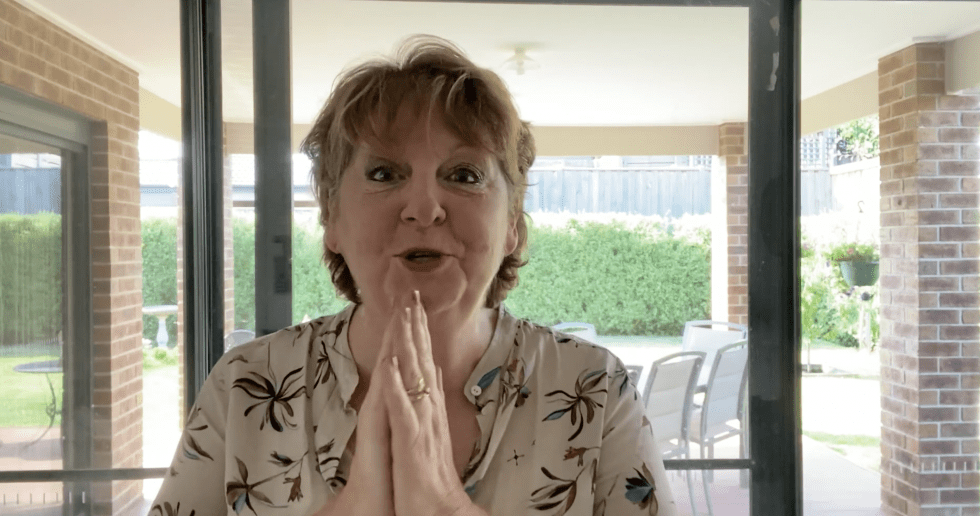
Sales year planning usually gets treated as a January chore – a target gets set, a spreadsheet gets built, and everyone moves on. But the sales teams who actually hit their numbers plan their sales year the other way round: they start from how they want the year to end, then work backwards to what the first quarter needs to look like.
For you, your sales team, your franchisees or your members?
Watch this clip and reach out if you want to expand the conversation and your possibilities for a profitable and courage filled 2022.
#SalesLeadership #Mindset #Associations #Franchise #Corporate
What Real Sales Year Planning Looks Like
Good sales year planning is not just a revenue target divided by twelve. It starts with a clear picture of the result you want at the end of the year – the client mix, the deal size, the kind of conversations your team is having – and then asks what has to be true in month one for that to be realistic by month twelve.
That backward view changes what gets prioritised early. Instead of chasing whatever deal is closest to closing, sales leaders who take their sales year planning seriously spend the first weeks on pipeline quality, on the accounts that will still matter in Q4, and on the conversations and habits that compound rather than the ones that just fill a forecast.
It also changes the tone of the year. A team that has done proper sales year planning is not reacting to the calendar – it is working a plan it chose on purpose, with courage-filled goals it can actually see itself achieving, rather than numbers handed down from above.
If your sales team, your franchisees or your association members are heading into a new sales year without that backward-looking plan in place, Bernadette McClelland’s keynote presentations are built to help sales leaders set that direction before the pressure of the first quarter sets in.
Four Questions to Anchor Your Sales Year Planning
If you only have an hour to spend on sales year planning before the pressure of the first quarter takes over, these are the four questions worth asking – as a leader, a franchisee, or an individual seller.
- What does the last week of December actually look like if this year goes well? Be specific – the client mix, the deal sizes, the reputation you want to have built. Vague sales year planning produces vague results.
- What has to be true by the end of Q1 for that ending to still be possible? This is the backward step most sales year planning skips – everyone plans forward from January instead of back from December.
- Which relationships and accounts will still matter in twelve months? Not every deal that is easy to close in January deserves your best hours – sales year planning is as much about what you say no to early as what you chase.
- What conversation are you avoiding that would change the trajectory of the year? Whether it is a pricing conversation, a tough internal decision, or a courage-filled ask of a prospect, naming it early is part of real sales year planning.
None of these questions are complicated. What makes them hard is that most sales teams never sit down long enough to answer them properly before the calendar takes over. A short, honest planning session at the start of the year – the kind that treats sales year planning as strategy rather than admin – tends to be the difference between a year that happens to you and a year you actually shape.
I’m Bernadette – founder of the Decision-Led Revenue™ Operating System and The Revenue Leader of Influence™, where I work with CEOs and sales leaders to build a sales team they can rely on to think, make the call, tell the truth about pipeline and own the result.
If any of this resonated – or if you’re staring at a revenue problem that feels like it should have been solved by now – I’d love a conversation.
BOOK A NO-OBLIGATION 20-MINUTE CALL
And if you’d rather join the discussion, you can also join me on Substack. That’s where the Revenue Leader of Influence community is starting to have these conversations in real time.


